Today is Imbolc, the midpoint of winter, marked by an ancient Celtic festival that celebrates the stirrings of Spring. Though we still have a way to go yet, the days are most certainly getting longer and I’m delighting in noticing the first signs of new life. I feel a sense of stretching, slow unfurling, still wintering but yet, each day the hibernation slumber softens.
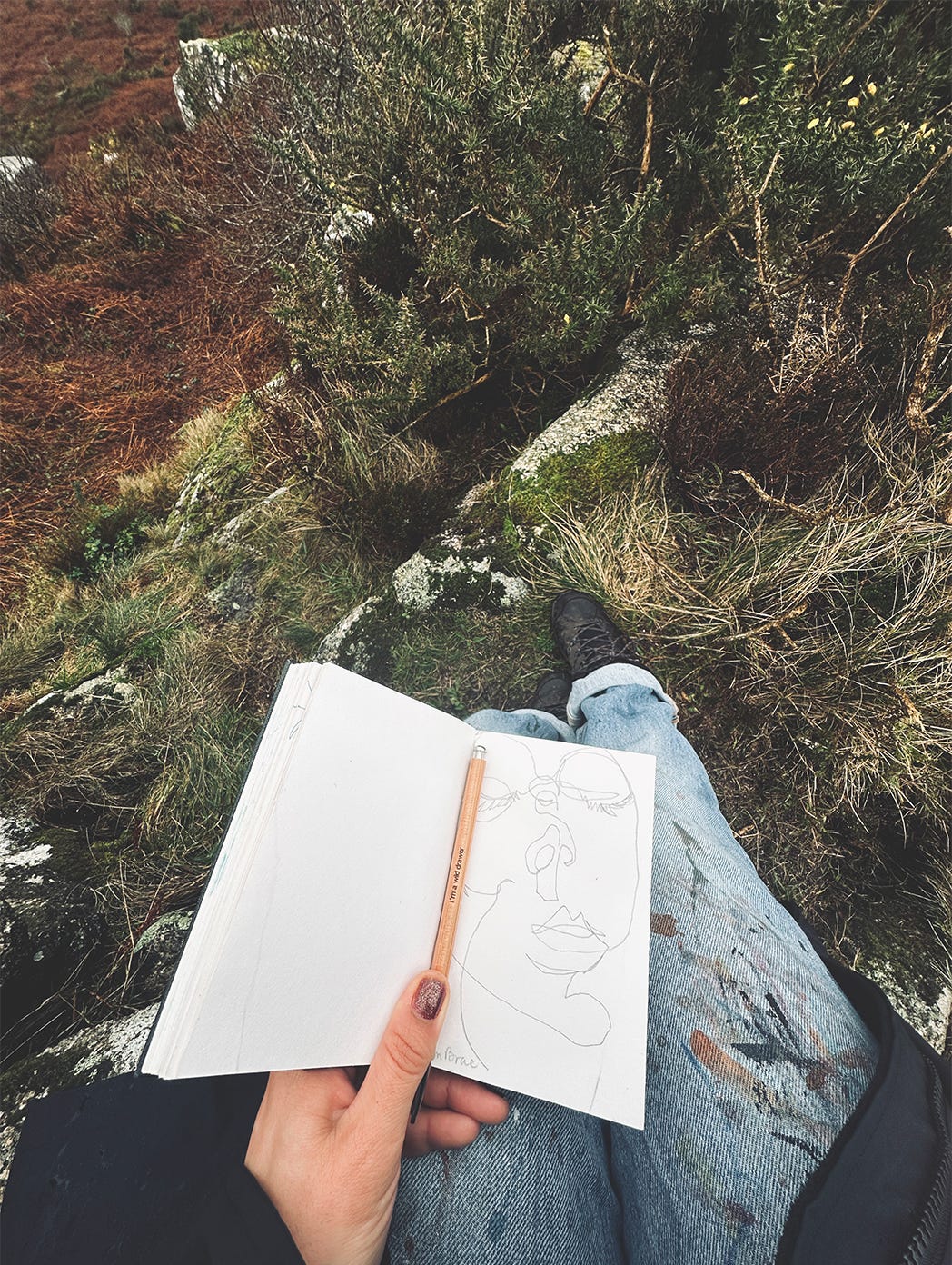
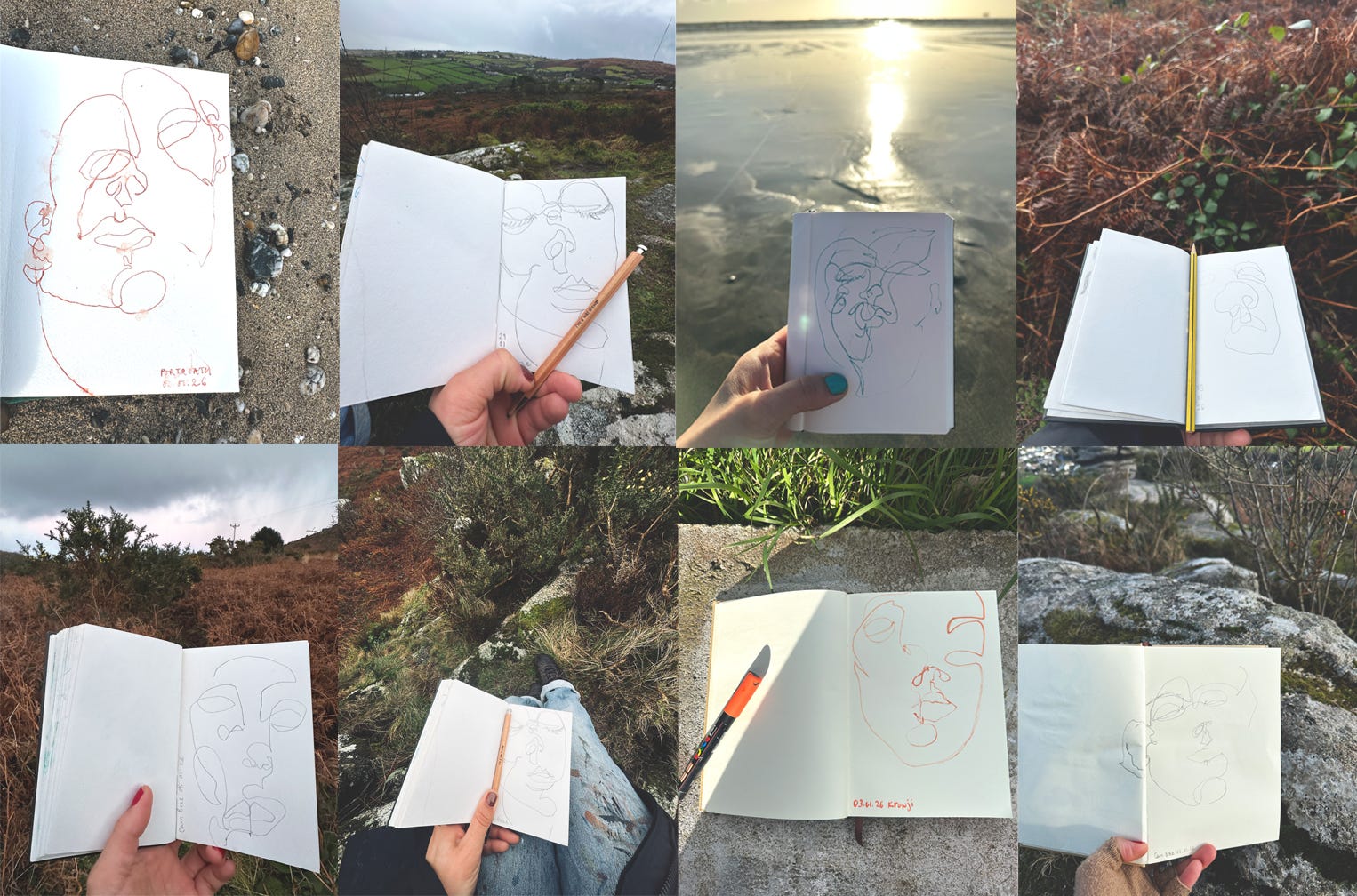
wild drawing in January
Continuing my invitation to join monthly wild drawing exercises, and honouring this in-between space — not quite Spring yet, Winter beginning to fade — I have outlined a new practice for February below.
Before that, though, I am introducing a new sharing — essentially a small selection of links you might enjoy, which relate in different ways to my explorations of embodied ecology. Let me know if any resonate with you.
Happenings across
A few findings collected along the way:
I am a big fan of adrienne maree brown’swriting and thoroughly enjoyed her interview on the On Being podcast, where she speaks eloquently about the nature of transformation and the importance of “keeping clear eyes on the reasons for ecological despair while giving oneself over to a loving apprenticeship with the natural world as teacher and guide”:
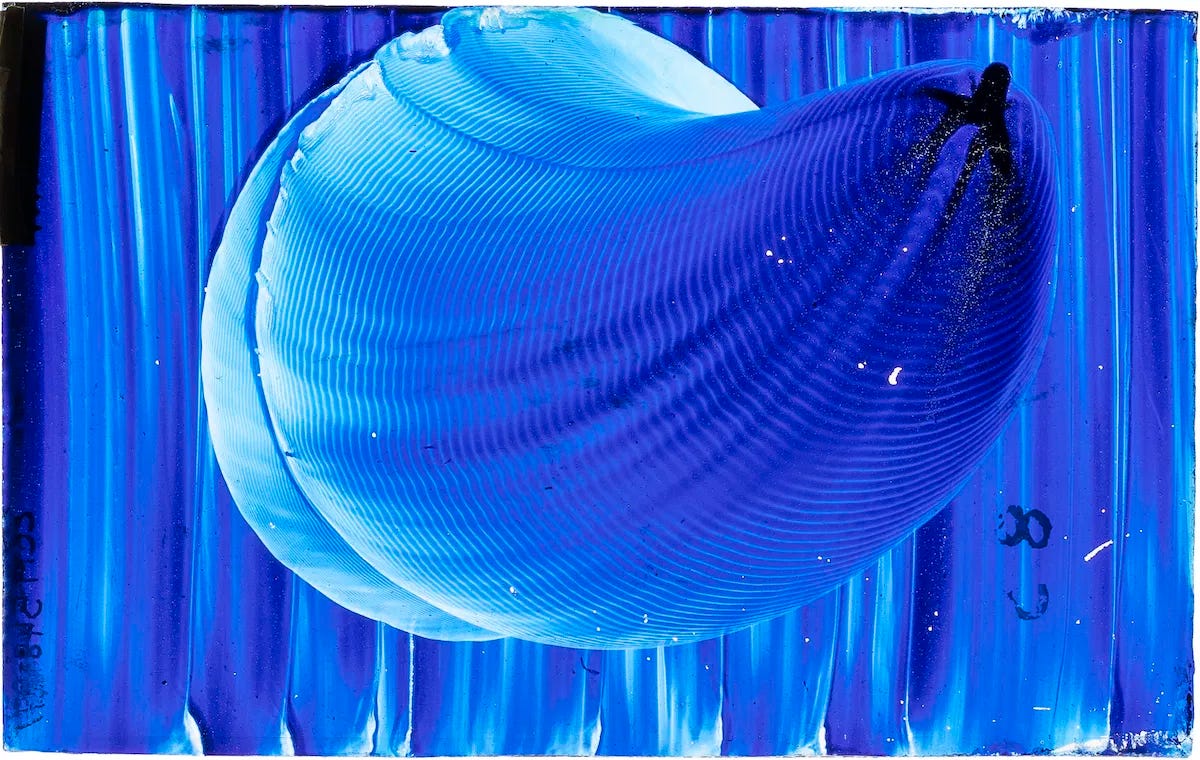
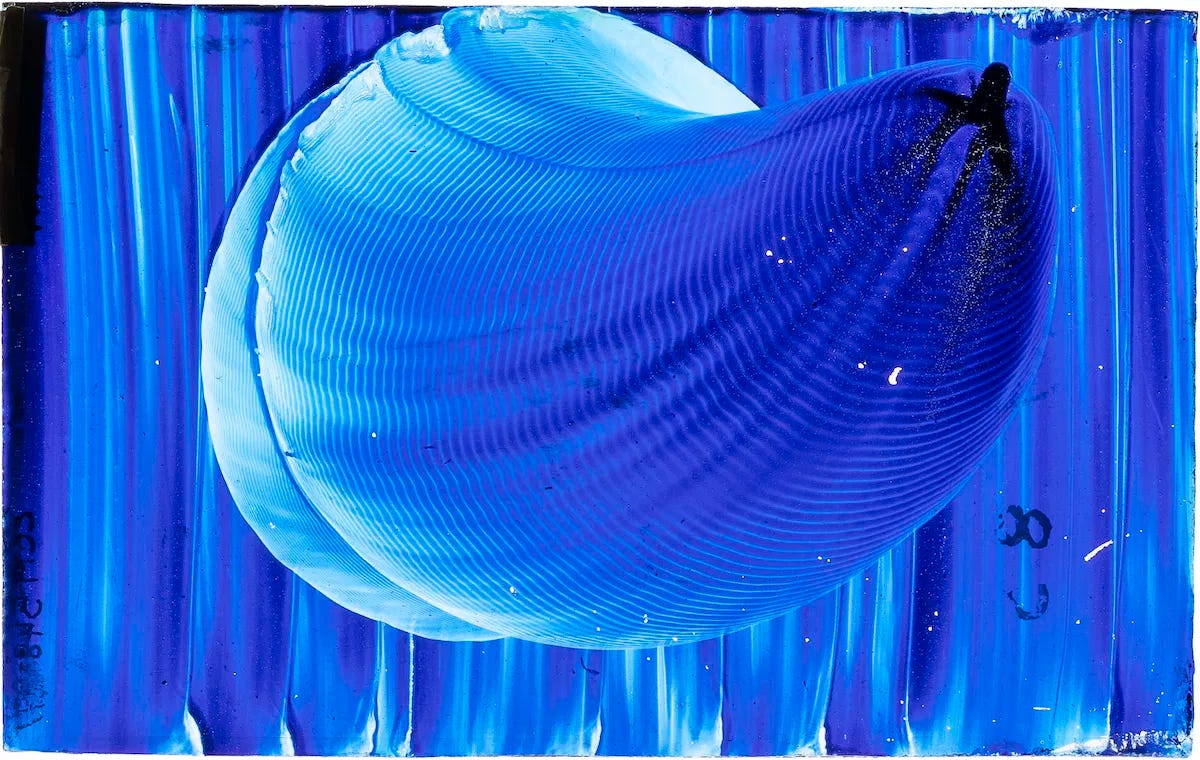
Rob Mullender-Ross’s essay Picturing a Voice is exquisitely embodied. It focuses on the singer Margaret Watts Hughes, describing how she invented ways of visualising human-made sound in the 19th Century. She found ways of transforming the intangible vocal realm into glass plate images, some experiments appearing as floral patterns, others creating oceanic forms “born of the voice rather than hand”. The essay includes so many amazing images - definitely worth diving into.
Single pitch Impression Figure by Margaret Watts Hughes, pigment on glass, date unknown. Courtesy of Cyfarthfa Castle Museum and Art Gallery — photography by Louis Porter.
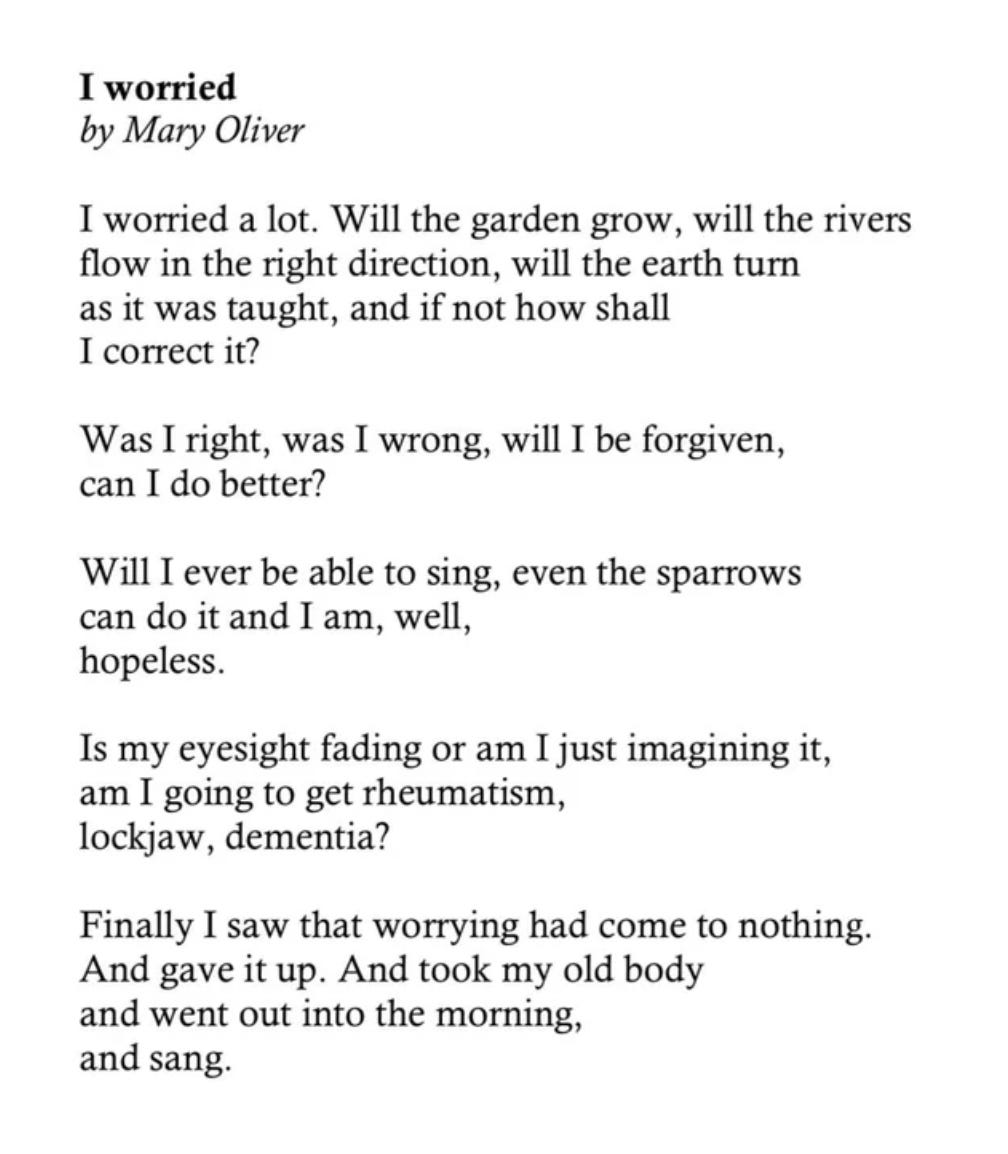
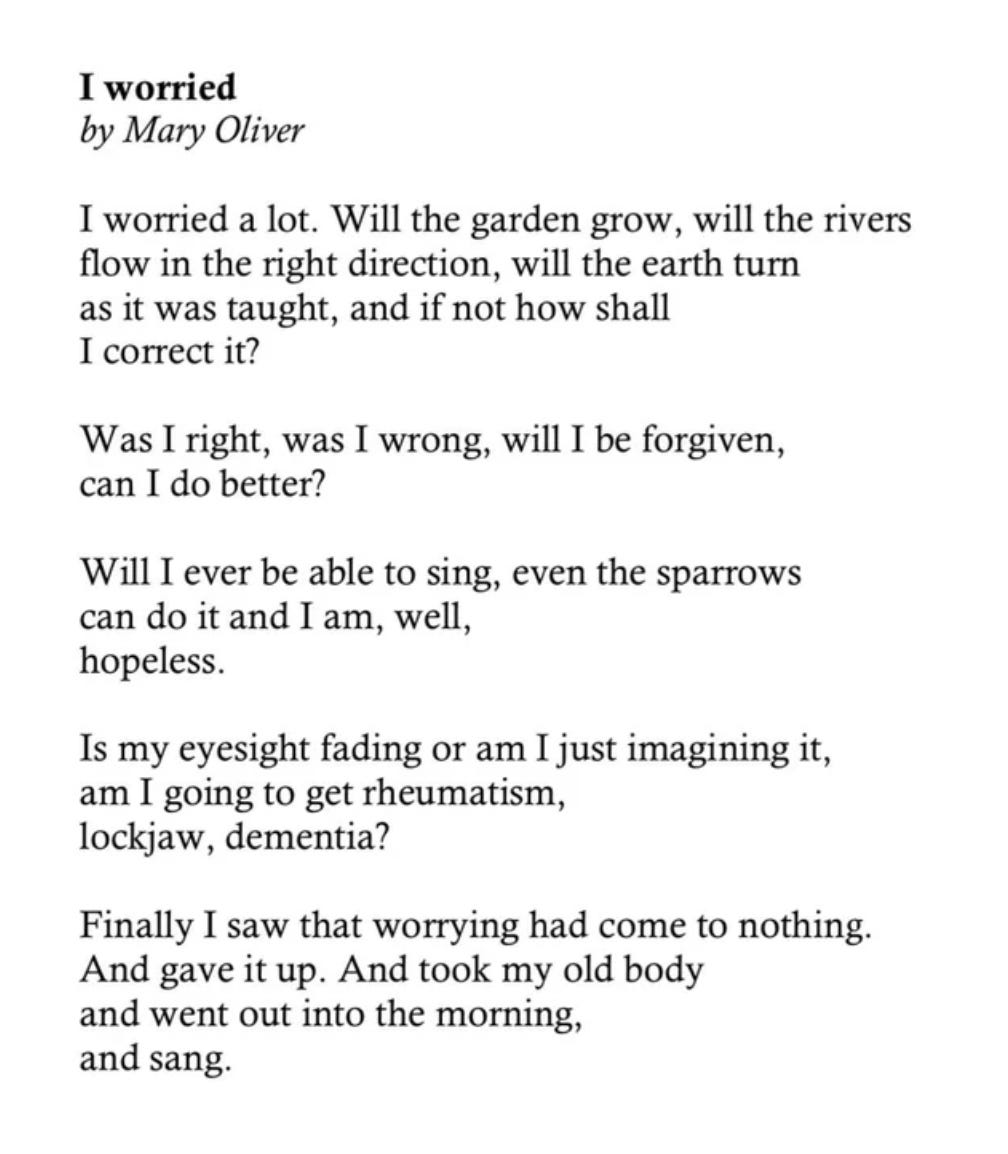
Mary Oliver — always, always. Have you read this one?
A gentle reminder: Wild Drawing is simple, imperfect and experimental. This practice is not about making pretty pictures. What matters most of all is how it feels.
All you need is:
Paper
A pen or pencil
To be outside
Viewfinder - optional
3 - 5 minutes
Instructions:
Find a spot where you can stand for a few minutes undisturbed.
Look out at the landscape before you. Notice the textures and forms that compose the scene. Feel your feet upon the ground. The surface against your back if you are sitting. Take a moment to ‘land’, recognising your presence, too, within the surrounding environment.
Scan the landscape for interesting shapes that call your attention; using a viewfinder may help. Find a subject that has a form you find intriguing - perhaps a tree, a hill, a rock. Spend a few minutes really focusing on and observing this form; what is it about its shape that inspire you? Trace its lines with your eyes, walk around it if you can, perhaps sit down in front of it.
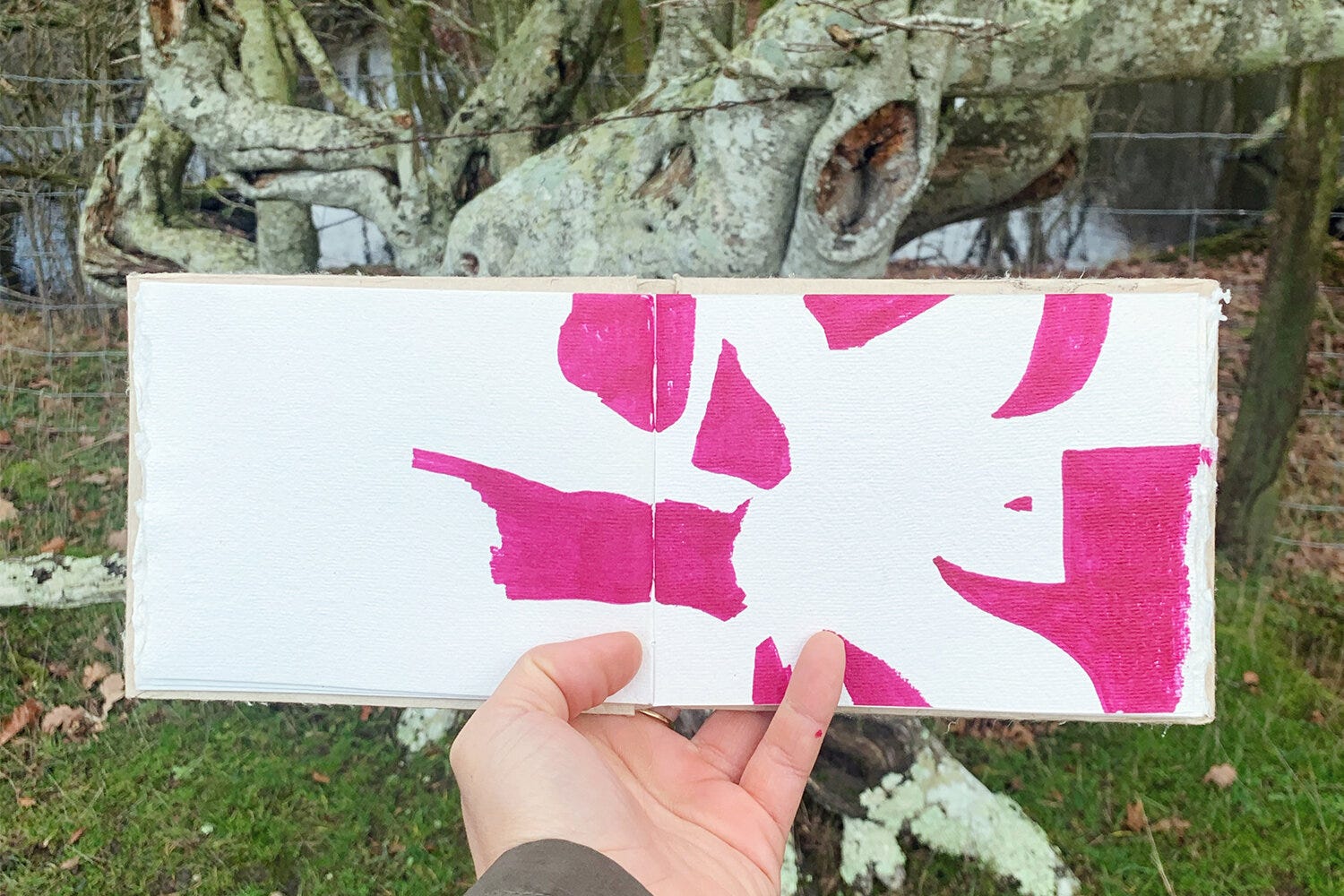
Once you have identified the subject of your drawing, switch your gaze away from the details of the visible physical scene before you, and instead focus on the ‘empty space’ that surrounds it.
Begin to outline the surrounding shapes across the page. Our brains tend to simplify negative shapes so sometimes it helps to squint to see empty space*. Drawing our attention to internal and external negative spaces around positive shapes doesn’t come naturally, it often takes a few tries to ‘see’ them clearly.
(*Of course, ‘empty spaces’ are anything but. For me, this exercise is a meditation on the nature of absence and presence, a moment to feel into spaces beyond the material realm. To somehow connect to a sense of matter being ‘held’ and giving form to the seemingly formless.)
As you build the picture, pay attention to the small empty spaces, nooks and crannies that your physical subject contains. Add these tiny details in and notice how the empty spaces intersect and criss-cross across the page. You may like to fill these shapes in, playing with adding colour or pattern. As you do so, the physical subject that first captured your attention will emerge on your page. There, but very much not there at the same time.
Side note: If it is raining too much to head outside with paper and pencil, (and let’s be honest, chances are high) you can also absolutely do this indoors. This can also be super relaxing when being out in nature isn’t possible. Give your house plants some love?
‘Here’s one I made earlier’: a few studies of some of the plants in my studio:
Stay warm and dry out there. Spring is on her way!
Bx
January wild drawings. If you missed last month’s exercise, here is the link.
Thanks for reading Embodied Ecology! Subscribe for free to receive new posts and support my work.